PDGF actively stimulates healing
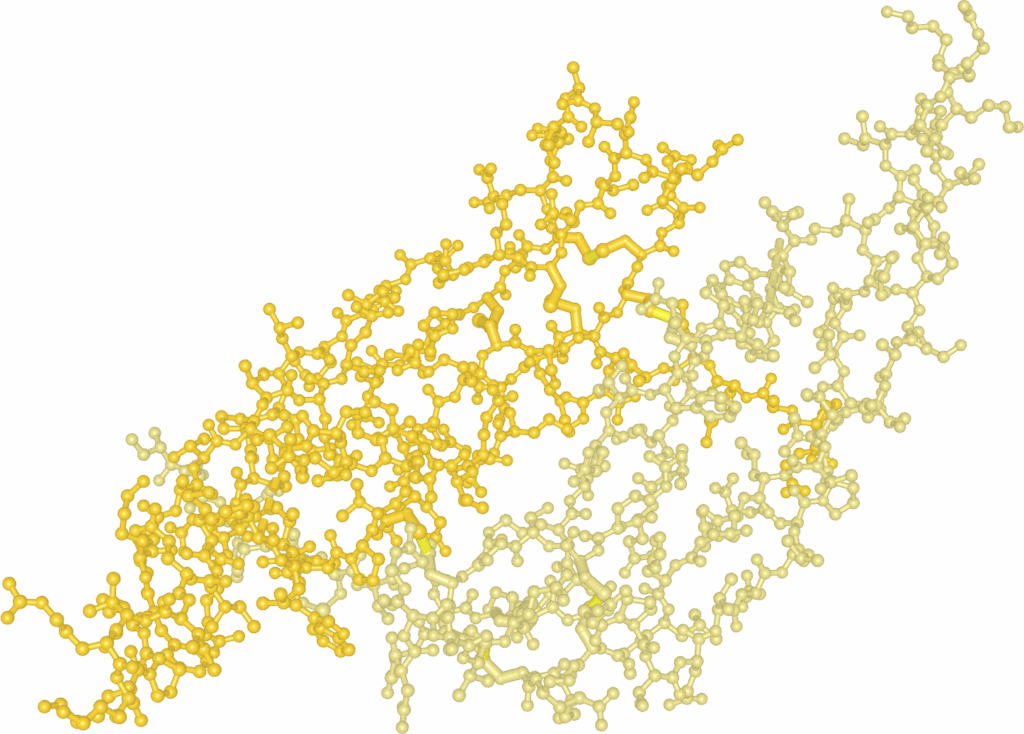
Platelet-derived growth factor (PDGF) is the body’s most effective growth factor catalyst for healing. Released from blood platelets (small fragments of cells found in the blood that aid in clotting), PDGF is a crucial biological mechanism for wound healing, blood vessel wall repair, and blood vessel growth.
The PDGF healing sequence
One of nature’s most conserved proteins, PDGF is naturally found in the blood platelets of all mammals, as well as in embryonic tissues and bones. It promotes and accelerates regeneration and repair by:
PDGF accelerates and powers the wound-healing cascade, a complex series of cellular processes and pathways that enable tissue and blood vessel repair.
An origin steeped in science
PDGF was first identified and named in the 1970s when researchers at Harvard Medical School, including Dr. Lynch, determined that blood platelets release a factor that stimulates the proliferation of fibroblasts.
Since its discovery, Dr. Lynch and other researchers have worked extensively to understand and leverage its clinical and commercial potential. The ability to purify PDGF from human platelets showed its potential to stimulate DNA synthesis in cultured cells. This was a foundational step in understanding how platelets contribute to wound healing and cell proliferation.
Over three decades and millions of patients later, PDGF’s story continues to unfold as its potential for more indications and applications has been realized. Today, it is among the most essential and effective biological mechanisms in the wound-healing and skin-rejuvenation process, providing meaningful health benefits for patients worldwide.
LRM Founder, Chairman, and CEO Dr. Samuel Lynch has been at the forefront of this clinical exploration.
Recombinant PDGF is pure, potent, predictable, proven, and sterile
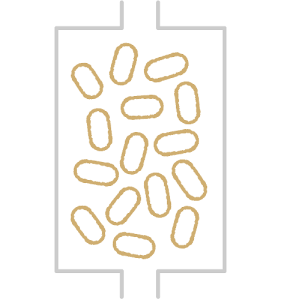
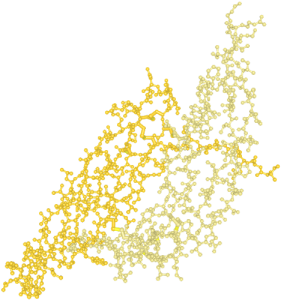
Recombinant PDGF is:
- Manufactured according to exact pharmaceutical standards.
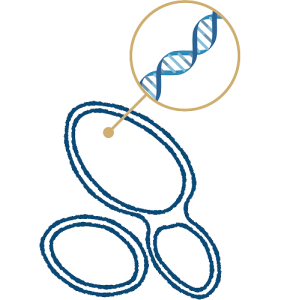
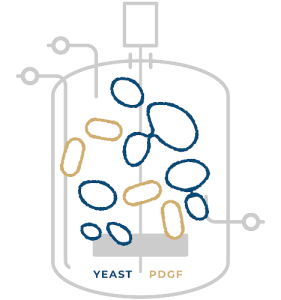
- Made utilizing recombinant engineering to modify yeast, enabling the production of specific proteins or biological products by inserting a gene of interest into their DNA.
- Purified to ensure consistency and sterility.
- Widely used in industries such as healthcare, agriculture, food production, and bioengineering, allowing for the efficient and scalable creation of proteins.

Four FDA-approved medications containing PDGF
Medical treatments containing recombinant PDGF approved by the Food and Drug Administration (FDA) have been successfully used to treat millions of patients over 28 years in orthopedics, maxillofacial surgery, and diabetic foot ulcers.
Over nearly three decades, the FDA has approved four medical products harnessing the clinical benefits of PDGF:
Each one of these products has received the highest level of regulatory and scientific scrutiny prior to approval, including extensive pre-clinical and clinical trials.
Over 1000 studies have been published on PDGF and other types of growth factors, including many authored by LRM leadership.
A legacy of scientific excellence in regenerative medicine
Dr. Lynch is among the most influential and accomplished figures in the field of growth factor medicine research and application


PDGF in action
Lynch Regenerative Medicine has harnessed the power of PDGF into two applications. In addition, LRM is developing a robust pipeline of promising medications at various stages of research and development.
“The regenerative and rejuvenative medical industry is poised to become the largest and most impactful in history, disrupting every aspect of society, while dramatically extending the health span and perhaps eventually even lifespan of humanity.”
- Dr David Sinclair (Harvard Medical School), Dr George Church (Harvard Medical School and MIT), and Dr Anthony Atala (Wake Forest Institute for Regenerative Medicine) Regenerative & Rejuvenative Medicine Annual Congress, 2023